




Can I use battery solar lights in winter?
 Nov 18, 2026|
Can I use battery solar lights in winter? This is a question that many customers often ask me as a supplier of Battery Solar Light Outdoor. In this blog, I'll delve into the feasibility of using battery solar lights during the winter months, explore the challenges they face, and provide some practical tips to ensure their optimal performance.
Understanding the Basics of Battery Solar Lights
Before we discuss winter usage, let's briefly understand how battery solar lights work. These lights are equipped with solar panels that absorb sunlight during the day. The solar panels convert sunlight into electricity, which is then stored in rechargeable batteries. When the ambient light drops to a certain level, usually at night, the stored electricity powers the LED lights.
Challenges of Using Battery Solar Lights in Winter
Reduced Sunlight Hours
One of the most significant challenges in winter is the reduced sunlight hours. With shorter days, solar panels have less time to absorb sunlight and charge the batteries. For example, in some northern regions, the sun may only be up for 6 - 8 hours a day during winter, compared to 12 - 14 hours in summer. This limited charging time can lead to insufficient battery charging, resulting in shorter lighting durations at night.
Low Temperatures
Cold temperatures can also have a negative impact on battery performance. Most rechargeable batteries used in solar lights, such as nickel - metal hydride (NiMH) and lithium - ion batteries, are sensitive to low temperatures. At low temperatures, the chemical reactions within the batteries slow down, reducing their capacity and efficiency. For instance, a NiMH battery that can provide 80% of its rated capacity at 25°C may only offer 50% or less at - 10°C.
Snow and Ice Cover
Snow and ice can cover the solar panels, blocking sunlight from reaching the panels. This prevents the panels from generating electricity and charging the batteries. Even a thin layer of snow can significantly reduce the efficiency of solar panels, as it reflects a large portion of the sunlight instead of allowing it to be absorbed.
Can You Still Use Battery Solar Lights in Winter?
The answer is yes, you can still use battery solar lights in winter, but you need to take some precautions to ensure their proper functioning.
Choose the Right Lights
When selecting battery solar lights for winter use, look for models with high - efficiency solar panels and large - capacity batteries. High - efficiency solar panels can convert more sunlight into electricity, even in low - light conditions. Large - capacity batteries can store more energy, providing longer lighting durations. For example, our Solar Powered Led Lights Outdoor are designed with advanced solar panels and high - capacity batteries, making them suitable for winter use.
Placement of Solar Lights
Proper placement of solar lights is crucial for their performance in winter. Make sure the solar panels are installed in a location that receives maximum sunlight. Avoid placing them in shaded areas, such as under trees or near buildings. Additionally, angle the solar panels towards the sun to increase sunlight absorption. In winter, the sun is lower in the sky, so adjusting the panel angle accordingly can significantly improve charging efficiency.
Regular Maintenance
Regular maintenance is essential to keep battery solar lights working well in winter. Clear any snow or ice from the solar panels as soon as possible to ensure they can receive sunlight. You can use a soft brush or a gentle stream of water to remove the snow. Also, check the batteries periodically to ensure they are in good condition. If the batteries are old or damaged, replace them with new ones.
Tips for Maximizing Performance in Winter
Use Warm - White LEDs
Warm - white LEDs can create a more inviting and cozy atmosphere in winter. They also tend to be more energy - efficient than cool - white LEDs, which can help conserve battery power. Our Led Outdoor Solar Lanterns feature warm - white LEDs, providing a warm and comfortable glow during the cold winter nights.
Consider Using Motion Sensors
Motion sensors can be a great addition to battery solar lights in winter. They can detect movement and turn on the lights only when needed, saving battery power. This is especially useful in areas with low foot traffic, as the lights will not stay on continuously, extending the battery life.
Store Lights Properly if Not in Use
If you live in an area with extremely cold temperatures and heavy snowfall, and you don't plan to use the solar lights for an extended period, it's a good idea to store them indoors. Before storing, fully charge the batteries and clean the solar panels. This will help protect the lights from damage caused by the harsh winter conditions.
Conclusion
In conclusion, while there are challenges associated with using battery solar lights in winter, it is definitely possible to use them effectively with the right approach. By choosing the right lights, placing them correctly, performing regular maintenance, and following the tips mentioned above, you can enjoy the benefits of solar lighting even during the coldest months of the year.
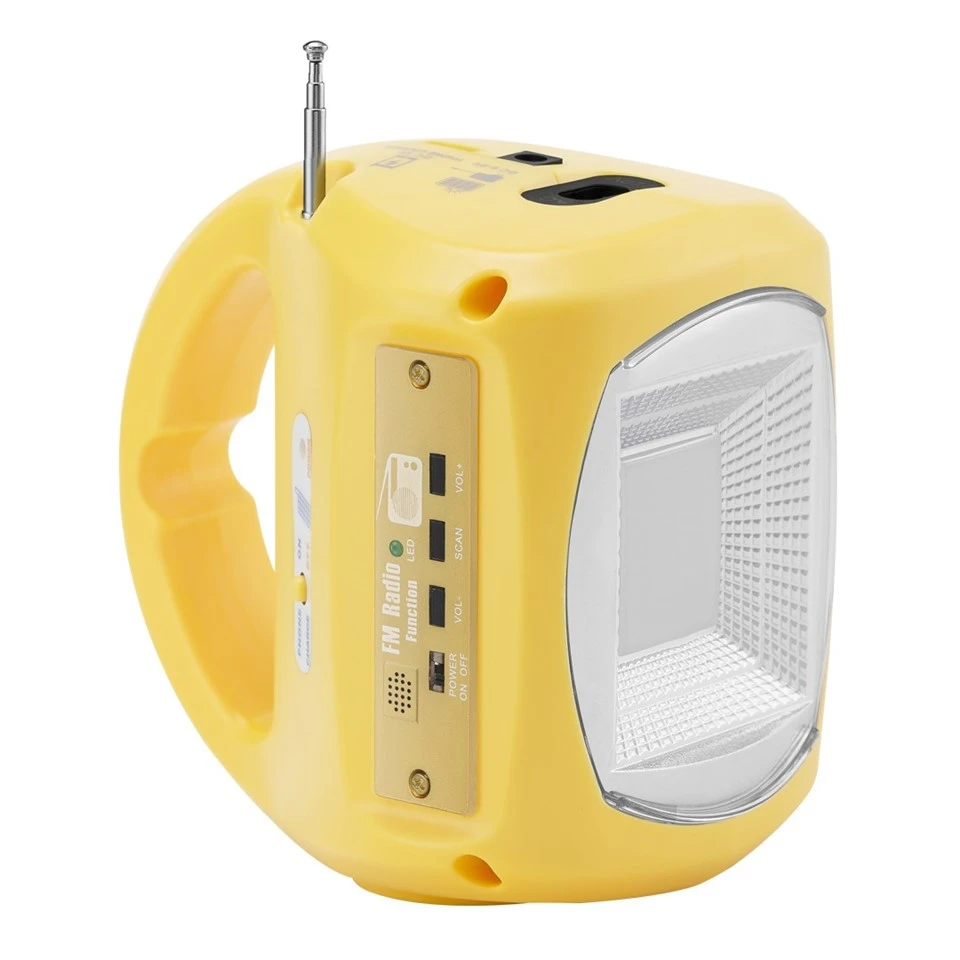

If you're interested in purchasing high - quality battery solar lights for outdoor use, especially for winter, we offer a wide range of products, including 10 Watt Solar Spot Lights. Our products are designed to withstand various weather conditions and provide reliable lighting. If you have any questions or would like to discuss your specific needs, please feel free to contact us for a procurement discussion.
References
- "Solar Energy Basics" by the U.S. Department of Energy
- "Battery Technology and Performance in Cold Temperatures" by Battery University