




Are battery solar lights affected by electromagnetic interference outdoors?
 Sep 08, 2026|
 As a supplier of Battery Solar Light Outdoor, I often get asked a bunch of questions from customers. One question that pops up quite a bit is whether battery solar lights are affected by electromagnetic interference (EMI) outdoors. Let's dig into this topic and find out what's really going on.
First off, let's understand what electromagnetic interference is. EMI is basically the disturbance that affects an electrical circuit due to either electromagnetic induction or electromagnetic radiation emitted from an external source. These sources can be anything from power lines, radio transmitters, to even other electronic devices.
Now, when it comes to battery solar lights, they operate on a relatively simple principle. During the day, the solar panels on these lights absorb sunlight and convert it into electrical energy, which is then stored in the battery. At night, the battery powers the light. So, the question is, can EMI mess with this process?
The short answer is, it's possible, but it's not very likely in most outdoor scenarios. Battery solar lights are designed to be pretty robust and can usually handle a certain amount of electromagnetic noise. The components in these lights, like the solar panels, batteries, and LED bulbs, are built to work in a variety of environmental conditions, including those with some level of EMI.
Let's take a closer look at the different parts of a battery solar light and how they might be affected by EMI.
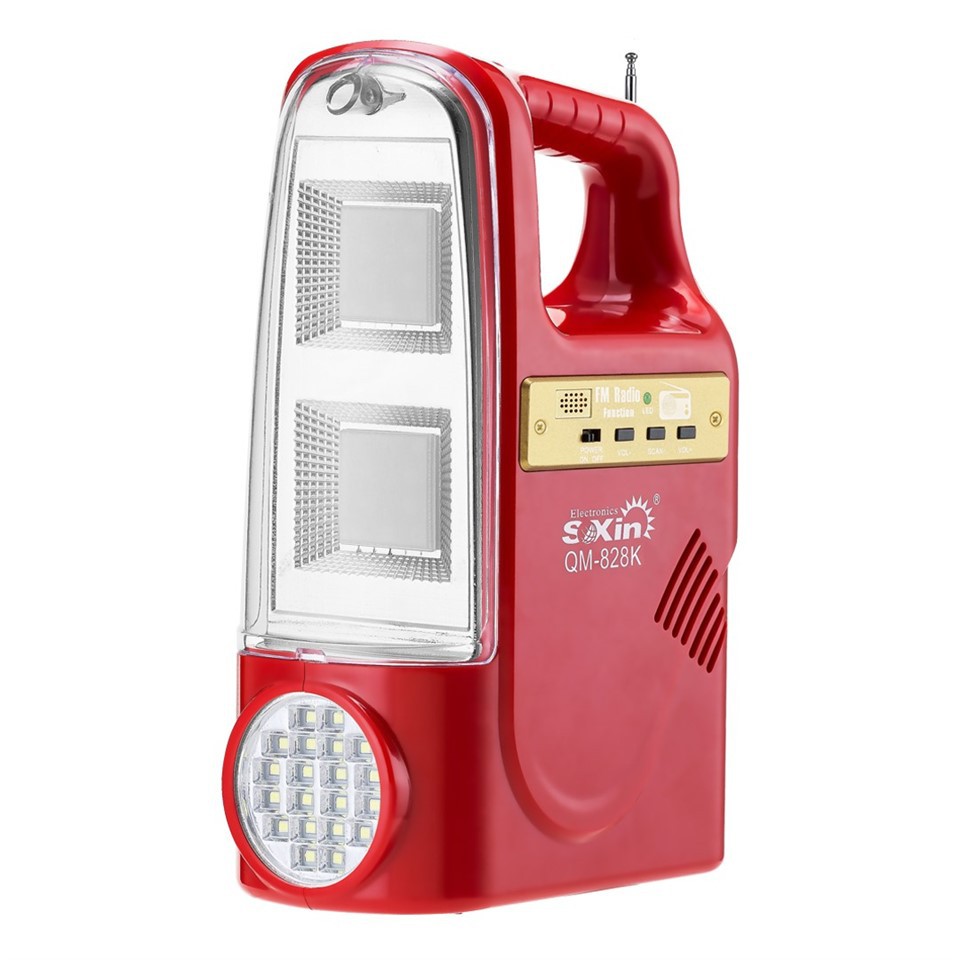

Solar Panels
Solar panels are the heart of a solar light. They're responsible for capturing sunlight and converting it into electricity. In general, solar panels are not very susceptible to EMI. They're made of semiconductor materials that generate electricity through the photovoltaic effect, which is a physical and chemical phenomenon. EMI doesn't really have a direct impact on this process. However, if there's a very strong electromagnetic field near the solar panel, it could potentially interfere with the electrical signals within the panel, but this would require an extremely powerful source of EMI, like a high - power radio transmitter or a large electrical substation.
Batteries
The batteries in battery solar lights store the energy collected by the solar panels. Most of these batteries are rechargeable, such as lithium - ion or nickel - metal hydride batteries. These batteries are relatively immune to EMI. The charging and discharging processes of the batteries are mainly controlled by the internal circuitry, which is designed to be stable and resistant to external interference. However, if there's a very strong EMI source nearby, it could potentially disrupt the charging controller, which regulates the charging process of the battery. This could lead to overcharging or undercharging of the battery over time, affecting its lifespan and performance.
LED Bulbs
LED bulbs are what actually provide the light in battery solar lights. LEDs are solid - state devices that are generally quite resistant to EMI. They operate on low - voltage direct current (DC), and their internal structure is designed to minimize the effects of external electromagnetic fields. However, if there's a strong enough EMI source, it could cause flickering or dimming of the LED bulbs. This is because the EMI can interfere with the electrical signals that control the brightness of the LEDs.
In most outdoor settings, the level of EMI is relatively low. The typical sources of EMI in an outdoor environment, like power lines or radio signals from a nearby radio station, are usually not strong enough to cause significant problems for battery solar lights. However, in some industrial areas or near large electrical equipment, the EMI levels can be much higher, and there's a greater risk of interference.
So, what can you do to minimize the impact of EMI on your battery solar lights? Well, if you're installing the lights in an area with a known high - EMI source, you can try to position the lights as far away from the source as possible. You can also use shielded cables to connect the different components of the solar light, which can help reduce the effects of EMI.
Now, if you're in the market for some high - quality battery solar lights, we've got you covered. We offer a wide range of products, including Led Outdoor Solar Lanterns, Rechargeable Solar Light for Home, and 10 Watt Solar Spot Lights. Our lights are designed to be durable, efficient, and resistant to various environmental factors, including EMI.
If you're interested in purchasing our battery solar lights, we'd love to have a chat with you. We can discuss your specific needs, the best products for your situation, and provide you with a competitive quote. Whether you're looking to light up your garden, patio, or any outdoor space, we've got the right solution for you. So, don't hesitate to reach out and start the conversation.
In conclusion, while battery solar lights can be affected by electromagnetic interference, it's not a common problem in most outdoor settings. By understanding the potential risks and taking some simple precautions, you can ensure that your solar lights work efficiently and last for a long time.
References
- "Electromagnetic Compatibility Engineering" by Henry W. Ott
- "Solar Energy: Renewable Energy and the Environment" by John Twidell and Tony Weir