




What is the material of LED outdoor solar lanterns?
 May 19, 2026|
 Hey there! As a supplier of LED outdoor solar lanterns, I often get asked, "What is the material of LED outdoor solar lanterns?" Well, let's dive right into it and explore the different materials that make up these nifty lighting solutions.
The Solar Panel
The solar panel is the heart of any solar lantern. It's responsible for converting sunlight into electricity, which is then stored in the battery for later use. Most solar panels in outdoor solar lanterns are made of monocrystalline or polycrystalline silicon.
Monocrystalline silicon solar panels are known for their high efficiency. They're made from a single crystal structure, which allows them to convert sunlight into electricity more effectively. This means that even on cloudy days, they can still produce a decent amount of power. However, they're also more expensive than their polycrystalline counterparts.
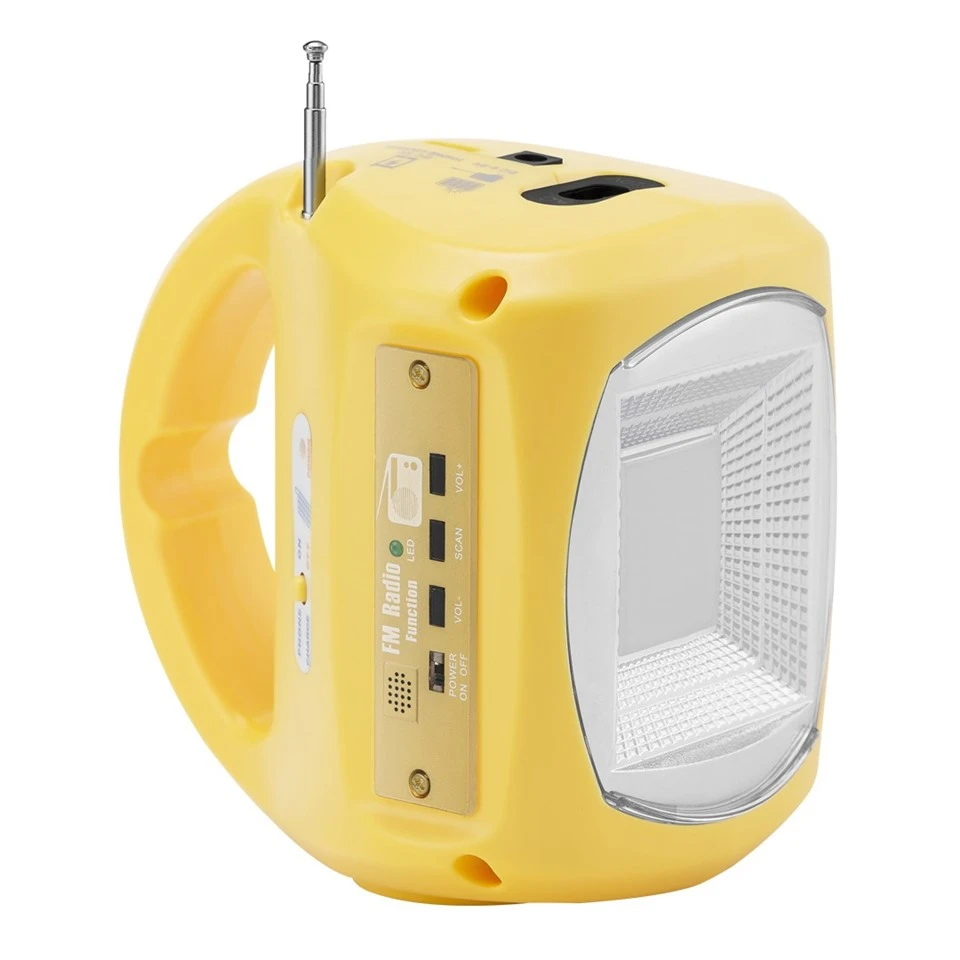

Polycrystalline silicon solar panels, on the other hand, are made from multiple crystals. They're a bit less efficient than monocrystalline panels, but they're also more affordable. If you're on a budget or don't need the highest level of efficiency, polycrystalline panels are a great option.
The LED Lights
LED, or Light Emitting Diode, lights are what give solar lanterns their bright, energy - efficient glow. LEDs are made from semiconductor materials. The most common semiconductor materials used in LEDs are gallium arsenide (GaAs), gallium phosphide (GaP), and gallium nitride (GaN).
These materials are chosen because they have unique electrical properties that allow them to emit light when an electric current passes through them. Compared to traditional incandescent bulbs, LEDs are much more energy - efficient, have a longer lifespan, and can produce a wider range of colors.
The Battery
The battery in an LED outdoor solar lantern stores the electricity generated by the solar panel during the day so that the lantern can light up at night. The most commonly used batteries in solar lanterns are nickel - metal hydride (NiMH) and lithium - ion (Li - ion) batteries.
NiMH batteries are a popular choice because they're relatively inexpensive and have a good energy density. They're also more environmentally friendly than some other types of batteries. However, they do have a self - discharge rate, which means they can lose their charge over time even when not in use.
Li - ion batteries, on the other hand, have a higher energy density, which means they can store more energy in a smaller space. They also have a lower self - discharge rate and a longer lifespan compared to NiMH batteries. But they're more expensive and require more complex charging circuits to ensure their safety.
The Housing
The housing of an LED outdoor solar lantern protects the internal components from the elements, such as rain, wind, and dust. Different materials are used for the housing, each with its own advantages.
- Plastic: Plastic is a common choice for the housing of solar lanterns. It's lightweight, affordable, and easy to mold into different shapes. There are different types of plastics used, such as polypropylene (PP) and polyethylene (PE). These plastics are also resistant to impact and UV rays, which helps to prolong the life of the lantern.
- Metal: Metal housings, like aluminum or stainless steel, offer greater durability and a more stylish look. Aluminum is lightweight and corrosion - resistant, making it a great option for outdoor use. Stainless steel is even more durable and can withstand harsh weather conditions. However, metal housings are usually more expensive than plastic ones.
- Glass: Some high - end solar lanterns use glass in their design, either for the light diffusion or as part of the aesthetic. Glass can give a lantern a more elegant and sophisticated look, but it's more fragile than plastic or metal and requires more careful handling.
Other Components
In addition to the main components mentioned above, there are also some other materials used in LED outdoor solar lanterns.
- Wiring: The wiring inside the lantern is usually made of copper. Copper is an excellent conductor of electricity, which ensures that the electricity generated by the solar panel can be efficiently transferred to the battery and then to the LED lights.
- Switches and Sensors: The switches are often made of plastic or metal, depending on the design of the lantern. Sensors, such as light sensors that automatically turn the lantern on at night and off during the day, are made of electronic components that can detect changes in light intensity.
Now, if you're in the market for high - quality LED outdoor solar lanterns, we've got a great selection for you. Check out our Solar Powered Led Lights Outdoor page to see some of the best options we have. We also offer Battery Solar Light Outdoor and Rechargeable Solar Light for Home.
If you're interested in purchasing our products, feel free to reach out for a quote and let's start a great business relationship. We're always here to answer your questions and help you find the perfect solar lantern solutions for your needs.
References
- "Solar Photovoltaic Technology: Principles, Systems and Practice" by Steve Eggleston
- "LED Lighting Handbook: Solid - State Lighting for General Illumination Applications" by Peter Schubert and Jung - Han Cho