




How to troubleshoot a non - working LED emergency light in home?
 Oct 10, 2025|
 LED emergency lights are crucial safety devices in homes, providing illumination during power outages and emergencies. As a supplier of LED emergency lights for homes, I've encountered various issues with non - working lights. In this blog, I'll share some effective troubleshooting steps to help you get your LED emergency light up and running again.
1. Initial Checks
The first step in troubleshooting a non - working LED emergency light is to perform some basic checks. These simple steps can often identify the root cause of the problem without the need for complex tools or procedures.
Power Source
- Battery - Powered Lights: If your LED emergency light is battery - powered, check the battery. Over time, batteries can lose their charge or become damaged. Remove the battery and inspect it for signs of corrosion, leakage, or physical damage. If the battery appears to be in good condition, try charging it using the appropriate charger. You can find a wide range of battery - powered emergency lights, such as Battery Emergency House Lights, which are reliable and easy to maintain.
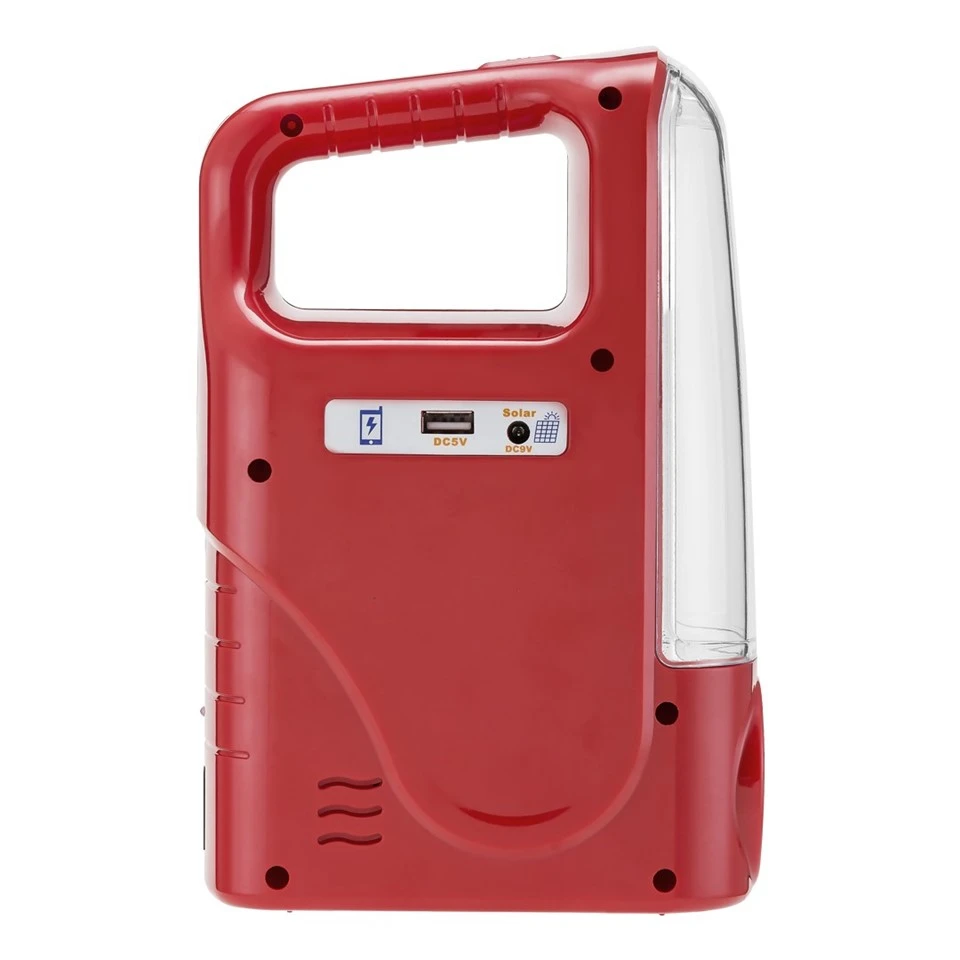
- Solar - Powered Lights: For solar - powered LED emergency lights, ensure that the solar panel is clean and exposed to sunlight. Dirt, dust, or debris on the solar panel can reduce its efficiency and prevent the light from charging properly. Wipe the solar panel gently with a soft, dry cloth. Also, check the connection between the solar panel and the light unit. Loose connections can disrupt the charging process. Our 400 Solar Led Emergency Light is a popular choice for solar - powered emergency lighting, offering high - performance and long - lasting illumination.
- Mains - Powered Lights: If your emergency light is connected to the mains supply, check the power cord for any visible damage. Look for frayed wires, cuts, or loose plugs. Try plugging the light into a different outlet to rule out a problem with the electrical socket. If the light still doesn't work, check the circuit breaker or fuse box to ensure that the circuit supplying power to the light is not tripped or blown.
Switch and Controls
- On/Off Switch: Check the on/off switch of the LED emergency light. Sometimes, the switch can get stuck or malfunction. Try toggling the switch several times to see if the light turns on. If the switch feels loose or doesn't click properly, it may need to be replaced.
- Mode Selector: Some LED emergency lights have multiple modes, such as high - brightness, low - brightness, or flashing. Make sure that the mode selector is set to the correct position. If the light is not working in a particular mode, try switching to a different mode to see if it functions.
2. Inspecting the LEDs
If the initial checks don't resolve the issue, the next step is to inspect the LEDs themselves.

Physical Damage
- Visible Damage: Examine the LEDs for any visible signs of damage, such as cracks, chips, or burn marks. A damaged LED will not emit light and may need to be replaced. If you notice any damaged LEDs, it's best to replace the entire LED module, as individual LEDs can be difficult to replace.
- Loose Connections: Check the connections between the LEDs and the circuit board. Loose connections can prevent the LEDs from receiving power. Gently press on the LEDs to ensure that they are firmly seated in their sockets. If you find any loose wires or connections, you may need to solder them back in place. However, if you're not experienced with soldering, it's recommended to seek professional help.
Testing the LEDs
- Multimeter Test: You can use a multimeter to test the LEDs. Set the multimeter to the diode test mode. Connect the positive lead of the multimeter to the anode (longer leg) of the LED and the negative lead to the cathode (shorter leg). If the LED is working properly, the multimeter will display a forward voltage drop and the LED may emit a faint light. If the multimeter shows no reading or an abnormal reading, the LED is likely defective and needs to be replaced.
3. Checking the Circuit Board
The circuit board is the heart of the LED emergency light, controlling the power supply, charging, and operation of the LEDs. If the LEDs and power source seem to be working fine, the problem may lie with the circuit board.
Signs of Damage
- Burn Marks or Discoloration: Look for any burn marks, discoloration, or melted components on the circuit board. These are signs of overheating or electrical short - circuits. If you notice any damage to the circuit board, it's usually best to replace the entire light unit, as repairing a circuit board can be complex and requires specialized skills and tools.
- Loose Components: Check for any loose components on the circuit board, such as resistors, capacitors, or integrated circuits. Gently shake the circuit board to see if any components rattle. If you find any loose components, try to re - seat them or secure them with a small amount of epoxy resin. However, be careful not to damage the circuit board or other components during this process.
Testing the Circuit Board
- Voltage Test: Use a multimeter to test the voltage at various points on the circuit board. Compare the measured voltages with the specifications provided by the manufacturer. If you find any significant deviations from the expected voltages, it may indicate a problem with the circuit board. However, testing the circuit board requires a good understanding of electrical circuits and should only be attempted by someone with the necessary knowledge and experience.
4. Software and Firmware Issues
Some modern LED emergency lights are equipped with software or firmware that controls their operation. Software or firmware issues can cause the light to malfunction.
Resetting the Light
- Factory Reset: Many LED emergency lights have a reset button or a procedure for performing a factory reset. Refer to the user manual of your light to find out how to perform a factory reset. A factory reset can often resolve software or firmware glitches and restore the light to its default settings.
- Firmware Update: Check if there are any firmware updates available for your LED emergency light. Some manufacturers release firmware updates to improve the performance, add new features, or fix bugs. Visit the manufacturer's website and follow the instructions to download and install the latest firmware update for your light.
5. Professional Help
If you've tried all the above troubleshooting steps and the LED emergency light still doesn't work, it's time to seek professional help.
Manufacturer Support
- Contact the Manufacturer: Reach out to the manufacturer of your LED emergency light. They can provide you with technical support, troubleshooting advice, or replacement parts. Most manufacturers have a customer service department that can assist you with your problem.
- Warranty Service: Check if your LED emergency light is still under warranty. If it is, the manufacturer may repair or replace the light free of charge. Make sure to provide the manufacturer with the serial number and purchase details of your light when contacting them for warranty service.
Professional Electrician
- Complex Repairs: If the problem with your LED emergency light is complex or requires specialized knowledge and tools, it's best to hire a professional electrician. An electrician can diagnose and repair electrical problems safely and effectively. They can also ensure that the light is installed and maintained in accordance with electrical safety standards.
Conclusion
Troubleshooting a non - working LED emergency light in your home can be a challenging task, but by following the steps outlined in this blog, you can often identify and resolve the issue. As a supplier of LED emergency lights for homes, we understand the importance of reliable emergency lighting. We offer a wide range of high - quality LED emergency lights, including 400 Solar Led Emergency Light, Solar Emergency Light with Mobile Charger, and Battery Emergency House Lights.
If you're interested in purchasing LED emergency lights for your home or have any questions about our products, please feel free to contact us for procurement and further discussions. We're committed to providing you with the best products and services to meet your emergency lighting needs.
References
- General knowledge of LED emergency light technology and troubleshooting.
- User manuals of various LED emergency lights.