




How do lanterns work in a power outage?
 Sep 10, 2025|
 In the face of power outages, lanterns emerge as reliable sources of light, providing illumination and comfort when the grid fails. As a lantern supplier, I've witnessed firsthand the crucial role these devices play during unexpected blackouts. In this blog, I'll delve into how lanterns work during power outages, exploring their various types, mechanisms, and benefits.

Types of Lanterns Suitable for Power Outages
There are several types of lanterns available in the market, each with its own unique features and working principles. The most common types used during power outages include battery - powered lanterns, rechargeable lanterns, and fuel - powered lanterns.
Battery - Powered Lanterns
Battery - powered lanterns are perhaps the most straightforward type. They rely on disposable batteries, such as AA, AAA, C, or D cells. When the power goes out, you simply turn on the lantern, and the batteries supply the electrical energy needed to light up the bulb. The batteries store chemical energy, which is converted into electrical energy through a chemical reaction within the battery. This electrical energy then flows through the circuit of the lantern to power the light source, usually an incandescent bulb or an LED (Light - Emitting Diode).
One of the advantages of battery - powered lanterns is their simplicity and portability. They can be easily stored and carried around. However, they do require a regular supply of fresh batteries, which can be costly in the long run. You can find a wide range of battery - powered lanterns on our website, such as the Lantern Camping Rechargeable Led Portable Lanterns, which combines portability with the energy - efficient LED technology.
Rechargeable Lanterns
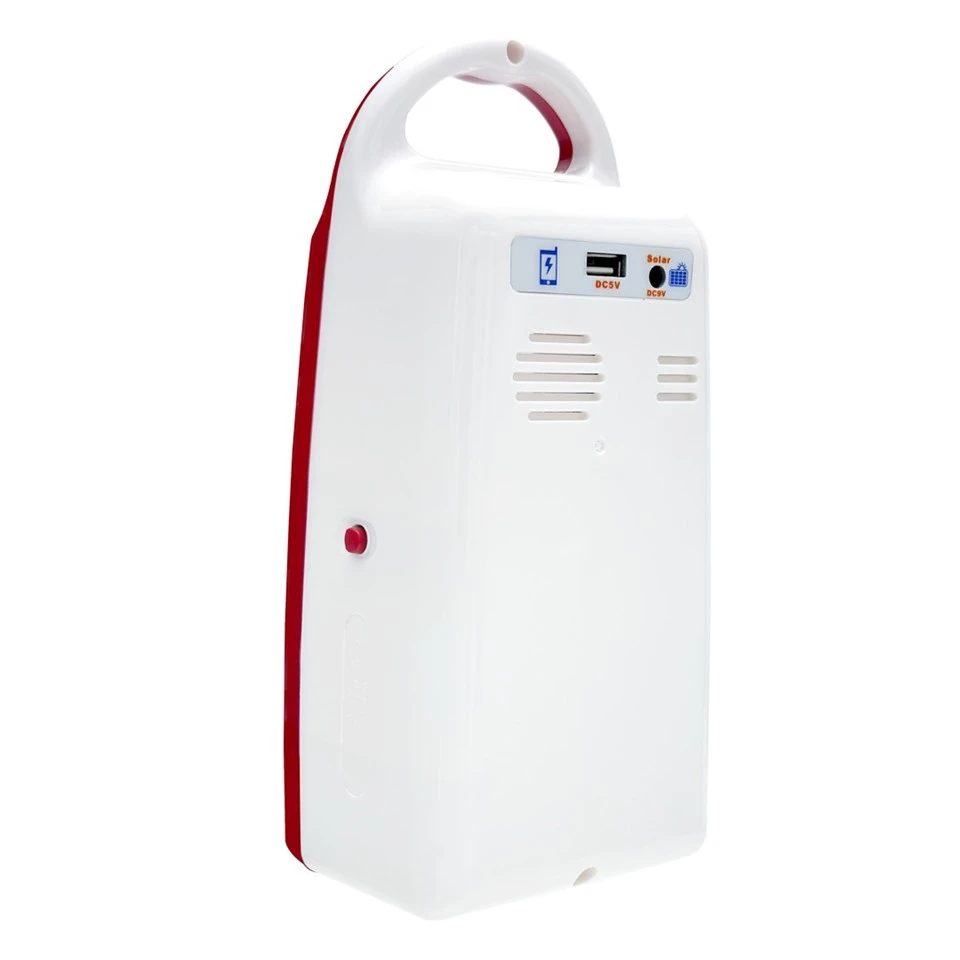
Rechargeable lanterns are a more sustainable option. They come with built - in rechargeable batteries, which can be charged using an electrical outlet when the power is on. During a power outage, the pre - charged batteries provide the necessary power for the lantern to function.
The charging process of rechargeable lanterns involves converting electrical energy from the power grid into chemical energy stored in the battery. When the lantern is turned on during a power outage, this stored chemical energy is converted back into electrical energy to light up the lantern. Rechargeable lanterns often use lithium - ion or nickel - metal hydride (NiMH) batteries, which have high energy density and long lifespans.
Our Rechargeable Lantern for Camping is a great example of a rechargeable lantern. It is designed to be durable and long - lasting, making it suitable not only for power outages but also for outdoor activities like camping. Another option is the 10 Watt Rechargeable Lantern, which offers a higher level of brightness, perfect for larger areas during a blackout.
Fuel - Powered Lanterns
Fuel - powered lanterns, such as propane or kerosene lanterns, operate on a different principle. They use a combustible fuel source to produce light. In a propane lantern, for example, propane gas is released from a tank and mixed with air. This mixture is then ignited, creating a flame. The flame heats up a mantle, which is a special material that glows brightly when heated, producing light.
Kerosene lanterns work in a similar way. Kerosene is drawn up through a wick by capillary action. When the wick is lit, the kerosene burns, and the heat from the flame causes the wick and the surrounding air to emit light. Fuel - powered lanterns can provide a high level of brightness and are often used in areas where electricity is scarce or unreliable. However, they require proper ventilation due to the production of fumes and need a supply of fuel.
The Inner Workings of Lanterns
Regardless of the type, all lanterns have a few basic components that work together to produce light.
Light Source
The light source is the heart of the lantern. As mentioned earlier, incandescent bulbs and LEDs are the most common light sources. Incandescent bulbs work by passing an electric current through a filament, which heats up and emits light. However, they are less energy - efficient compared to LEDs.
LEDs, on the other hand, are semiconductor devices that emit light when an electric current passes through them. They are highly energy - efficient, have a long lifespan, and can produce a bright, white light. Most modern lanterns, especially those designed for power outages, use LEDs due to their many advantages.
Circuitry
The circuitry in a lantern is responsible for controlling the flow of electrical energy from the power source (battery or fuel - powered generator) to the light source. It includes components such as switches, resistors, and capacitors. The switch allows you to turn the lantern on and off, while resistors and capacitors help regulate the voltage and current to ensure the proper functioning of the light source.
Power Source
As discussed, the power source can be a battery, a rechargeable battery, or a fuel. The power source provides the energy needed to operate the lantern. In the case of battery - powered and rechargeable lanterns, the battery stores the energy and releases it when the lantern is turned on. For fuel - powered lanterns, the chemical energy in the fuel is converted into heat and light through combustion.
Benefits of Using Lanterns During Power Outages
Illumination
The most obvious benefit of using lanterns during power outages is that they provide light. This is essential for carrying out basic tasks such as finding your way around the house, reading, or preparing food. Lanterns can also help reduce the sense of anxiety and disorientation that often comes with a sudden loss of power.
Portability
Most lanterns are designed to be portable, which means you can easily move them from one room to another or take them outside if needed. This flexibility is especially useful during a power outage when you may need to access different areas of your property.
Independence from the Grid
Unlike electrical appliances that rely on the power grid, lanterns can operate independently. This makes them a reliable source of light during extended power outages or in areas where the power grid is unstable.
Why Choose Our Lanterns
As a lantern supplier, we take pride in offering high - quality lanterns that are designed to meet the needs of our customers during power outages. Our lanterns are made from durable materials, ensuring long - term use. We offer a wide range of lanterns, from battery - powered to rechargeable and fuel - powered options, so you can choose the one that best suits your needs and preferences.
Our rechargeable lanterns are equipped with advanced battery technology, providing long - lasting illumination. They are also designed to be easy to charge, so you can keep them ready for any power outage. Our battery - powered lanterns are compatible with common battery types, making it convenient for you to replace the batteries when needed.
If you're in the market for reliable lanterns for power outages, we invite you to explore our product range. Whether you need a lantern for your home, office, or outdoor activities, we have the perfect solution for you. We are committed to providing excellent customer service and competitive prices. If you have any questions or are interested in purchasing our lanterns, please feel free to contact us for a procurement discussion. We look forward to serving you and helping you stay prepared for power outages.
References
- Physics textbooks on electrical circuits and energy conversion.
- Industry reports on lantern technology and market trends.